

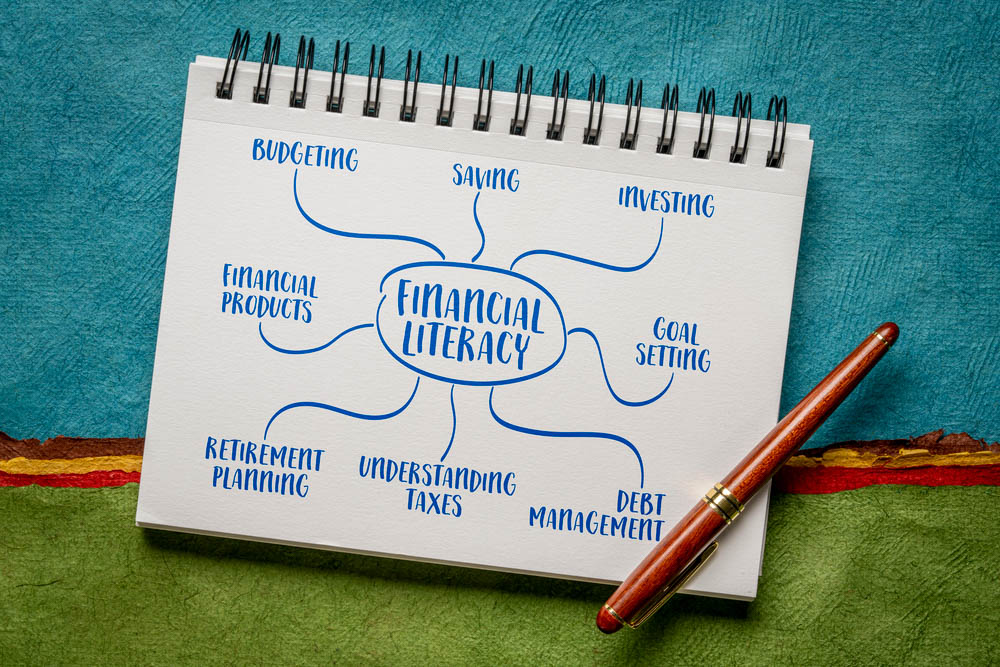
Financial literacy is one of the most important skills a person can develop, yet many people reach adulthood without learning how to manage money effectively.
You can work hard, earn a good income, use a credit card, have a bank account, and even invest without fully understanding how your financial decisions affect your future.
That is why financial literacy matters.
Being financially literate does not mean becoming an accountant, economist, or professional investor. Instead, it means understanding the basic principles of money well enough to make informed decisions about spending, saving, debt, credit, and investing.
For Americans, financial literacy can play an important role in building financial stability and making better decisions throughout different stages of life.
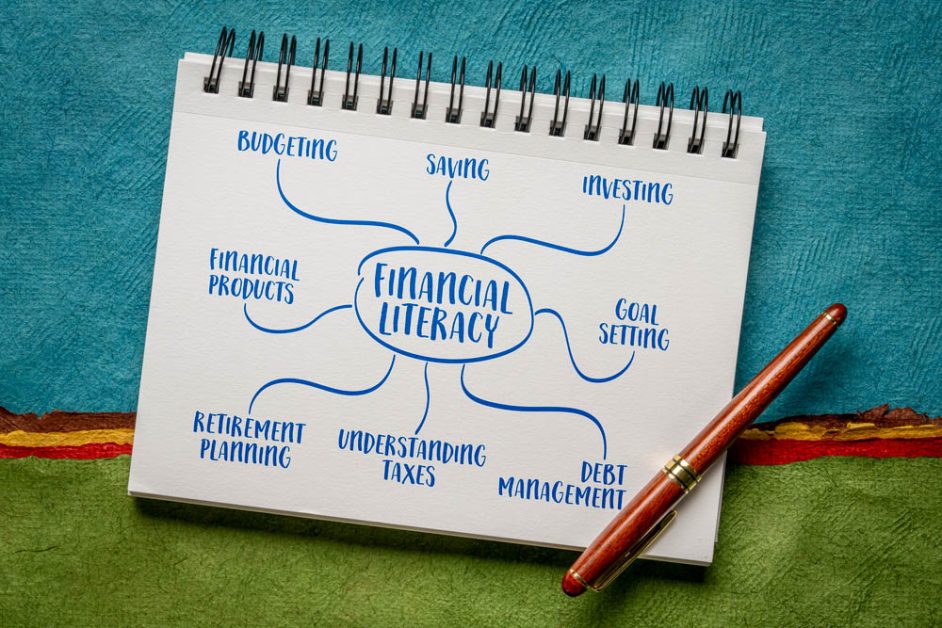
What Is Financial Literacy?
Financial literacy is the ability to understand and use basic financial concepts in everyday life.
These concepts include:
- Budgeting
- Saving
- Credit
- Debt
- Interest
- Investing
- Retirement planning
- Emergency funds
- Insurance
- Financial risk
In other words, financial literacy is not simply knowing financial vocabulary.
It is knowing how to apply financial knowledge to real situations.
For example, understanding what a credit card is relatively simple. Understanding how interest, minimum payments, credit utilization, and late payments can affect your finances is a deeper level of financial literacy.
Why Is Financial Literacy Important?
Money affects almost every area of modern life.
It influences where you live, how you travel, what you can afford, how you handle emergencies, when you can retire, and how much financial freedom you have.
Therefore, financial decisions should not be made entirely by guesswork.
A person who understands how money works can make more informed choices.
That does not mean every financially literate person will make perfect decisions. However, having knowledge can make it easier to recognize risks, compare options, and understand the consequences of financial choices.
Financial Literacy Starts With Your Everyday Money
You do not need to begin by learning about complicated investments.
Instead, start with your everyday finances.
Ask yourself:
How much money comes into my household each month?
How much goes toward essential expenses?
How much do I spend on wants?
How much do I save?
How much debt do I have?
How much interest am I paying?
What financial goals am I working toward?
If you can answer these questions, you are already developing financial awareness.
The next step is learning how to use that information to make better decisions.
Budgeting Is One of the Foundations of Financial Literacy
A budget is simply a plan for your money.
It tells your money where to go instead of allowing spending to happen without a plan.
A basic budget can include:
Housing: rent or mortgage, utilities, and maintenance.
Transportation: car payments, fuel, insurance, and public transportation.
Food: groceries and restaurants.
Financial goals: savings, debt repayment, and investments.
Lifestyle: entertainment, shopping, hobbies, and subscriptions.
You do not need a complicated spreadsheet to get started.
A simple monthly overview can already help you understand whether your spending matches your income.
Understanding Credit Is Essential in the United States
Credit is an important part of financial life in the United States.
Your credit history can affect your ability to borrow money and, depending on the situation, the terms you receive.
However, many people use credit cards without fully understanding how they work.
A credit card is not additional income.
It is a borrowing tool.
If you carry a balance, interest may be charged according to the terms of the account. Therefore, understanding your credit card statement, interest rate, payment due date, and minimum payment is an important part of financial literacy.
Before using a credit card, ask yourself:
Can I afford this purchase without relying on future income?
That question alone can prevent many financial problems.
Learn the Difference Between Saving and Investing
Saving and investing are related, but they serve different purposes.
Saving generally means keeping money in accounts designed to preserve accessibility and, depending on the account, earn interest.
Investing means putting money into assets that can fluctuate in value with the expectation of earning a return over time.
Because investments can lose value, it is important to understand the relationship between risk and potential return before investing.
For example, money you may need soon generally has different considerations from money you are investing for a retirement goal decades away.
Therefore, financial literacy means understanding not only where your money goes, but also why you are putting it there.
Why Emergency Savings Matter
Unexpected expenses are part of life.
A car may need repairs.
A household appliance may stop working.
A medical expense may appear.
Income can change.
For that reason, an emergency fund can be an important part of financial planning.
The amount someone needs depends on their income, expenses, household situation, and other factors. However, the basic principle is simple: having accessible savings can reduce the need to immediately rely on credit or high-cost borrowing when something unexpected happens.
Building an emergency fund may take time.
That is okay.
Financial literacy is not about achieving everything immediately. It is about understanding what you are working toward.
Learn How Interest Works
Interest can work in two very different ways.
When you borrow money, interest can increase the amount you ultimately pay.
When you save or invest, returns can potentially help your money grow over time.
This is one reason understanding interest is so important.
For example, carrying a credit card balance with a high interest rate can make debt more expensive. On the other hand, earning interest on savings can help your money grow.
Once you understand this difference, financial decisions become easier to evaluate.
Compound Growth Can Change Long-Term Finances
One of the most important concepts in financial literacy is compound growth.
When money earns returns and those returns remain invested, future returns can potentially build on previous returns.
This is one reason starting to save and invest earlier can be valuable.
You do not necessarily need a large amount of money to begin learning about long-term investing.
Instead, the important lesson is understanding how time can influence financial growth.
The earlier you understand the concept, the more informed your long-term decisions can become.
Financial Literacy Also Means Understanding Risk
Every financial decision involves some level of risk.
Keeping all your money in one place can create certain risks.
Investing in one company can create concentration risk.
Borrowing too much can create debt risk.
Having no emergency savings can create financial vulnerability.
Therefore, being financially literate means asking:
What could go wrong?
How much could I lose?
Can I afford that outcome?
What alternatives do I have?
These questions are useful whether you are choosing a credit card, taking out a loan, buying a car, or investing money.
Learn Before Making Major Financial Decisions
A common mistake is trying to learn about money only after making a major decision.
Instead, try to learn before signing a contract, taking on significant debt, or investing a large amount of money.
For example, before taking out a loan, understand the interest rate, fees, repayment period, and total cost.
Before opening a financial account, understand the fees and rules.
Before investing, understand what you are buying and what risks are involved.
You do not need to understand every possible financial product.
You simply need enough knowledge to make an informed decision about the one you are considering.
Financial Literacy Can Protect You From Financial Scams
Financial knowledge can also help you recognize warning signs.
Be cautious when someone promises guaranteed high returns, pressures you to act immediately, asks for sensitive information unexpectedly, or tells you that an investment has no risk.
If an opportunity sounds too good to be true, slowing down and researching it can be a smart financial decision.
In addition, avoid making important financial decisions based solely on social media videos or advice from someone whose financial interests you do not understand.
Learn from multiple reliable sources and verify important information.
Financial Literacy Is a Skill You Can Learn
You do not have to be naturally good with money.
Financial literacy can be developed over time.
Start with one subject.
Learn how credit cards work.
Then learn about budgeting.
Next, study emergency savings.
After that, learn about retirement accounts and investing.
As you learn, concepts that once seemed complicated will become easier to understand.
The important thing is consistency.
Try This Simple Financial Literacy Challenge
If you want to improve your financial knowledge, try answering these questions without looking anything up:
1. What is my current monthly income?
2. What are my five largest monthly expenses?
3. What interest rate am I paying on my credit card?
4. How much money do I currently have in emergency savings?
5. What are my main financial goals?
6. What retirement accounts do I have access to?
7. Do I understand what my current investments are invested in?
If you cannot answer some of these questions, that is not a failure.
Instead, you have just identified what you can learn next.
Create a Personal Finance Learning Plan
You can make financial education part of your routine.
For example, dedicate 30 minutes each week to learning about money.
One week, study credit scores.
The next week, learn about emergency funds.
After that, learn about retirement accounts.
Then, study investing basics.
Eventually, you can explore taxes, insurance, mortgages, estate planning, and other financial topics that become relevant to your life.
Little by little, financial knowledge becomes practical knowledge.
Financial Literacy Is About More Than Making Money
It is easy to think financial literacy is only about becoming wealthier.
However, it is also about protecting what you already have.
Understanding insurance can help you manage risk.
Understanding credit can help you avoid expensive debt.
Understanding budgeting can help you control spending.
Understanding investing can help you think about long-term goals.
Understanding taxes can help you make more informed financial decisions.
Therefore, financial literacy is not simply about increasing income.
It is about making your financial life more understandable and manageable.
Teach Financial Literacy to Your Family
Financial education does not have to stop with you.
Parents can introduce children to basic concepts such as saving, spending, budgeting, and delayed gratification.
Couples can discuss financial goals and household priorities.
Families can talk about the difference between something they want and something they actually need.
These conversations can make money less mysterious.
In addition, learning about money together can help create healthier financial habits across generations.
Don’t Wait Until You Have More Money
One of the biggest misconceptions about financial education is that it only matters once you start earning a lot.
In reality, financial literacy is useful at every income level.
If you earn $2,000 per month, understanding your finances matters.
If you earn $5,000, it still matters.
If you earn $15,000, it may matter even more because financial decisions can become more complex as income, assets, taxes, and investments increase.
More money does not automatically create better financial decisions.
Knowledge and habits still matter.
The Goal Is Financial Confidence
Financial literacy is not about knowing every answer immediately.
Instead, it is about becoming comfortable asking the right questions.
When you understand the basics, you may feel more confident when comparing financial products, reviewing a credit card statement, creating a budget, evaluating an investment, or planning for retirement.
You may still need professional advice for complex situations.
However, having basic financial knowledge can help you understand the advice you receive and ask better questions.
Start Small, But Start Now
You do not need to completely transform your finances this week.
Start by checking your bank accounts.
Review your credit card statements.
Write down your monthly expenses.
Identify your debts.
Set one savings goal.
Then choose one financial concept to learn.
From there, continue.
Over time, these small steps can become a much stronger understanding of how money works.
Financial Literacy Can Change the Way You Think About Money
Ultimately, financial literacy is not just about numbers.
It changes the questions you ask.
Instead of asking only, “Can I afford this?”, you may start asking, “Does this fit into my financial plan?”
Instead of asking, “How much can I borrow?”, you may ask, “What will this debt cost me?”
Instead of asking, “What investment will make me rich quickly?”, you may ask, “What am I investing in, what are the risks, and what is my time horizon?”
Those questions represent a different relationship with money.
You become less reactive and more intentional.
And ultimately, that is what financial literacy is about.
You do not need to become a financial expert.
You need to understand enough to make informed decisions, recognize risks, build good habits, and plan for the future.
Financial literacy is a lifelong skill. The sooner you start developing it, the more opportunities you have to use that knowledge throughout your financial life.